We all face it at one point or another.
If you’re a seasoned writer, chances are you’ve come face-to-face with writer’s block many times already. If you’re new to the writing game, you might be dreading this monster you’ve heard so much about. Writer’s block is the most common obstacle writers face, after all. Not only does it bring frustration for you, the writer, but it can have even bigger consequences. Writer’s block can range from an inability to write for a single day to the inability to finish an entire project. This is serious stuff!
But here’s the good news: writer’s block can be beaten. There are methods, remedies, and cures all over the place, and many of them are fantastic. But if you’re like me and have had times when none of the usual methods help, you’re probably feeling discouraged right now. You might even be wondering if you’ll ever write again.
I’ve been there. I know what it feels like when writer’s block beats you down and makes you question if you’re even a writer. It’s a tough place to be, but this post is here to help by presenting some approaches to overcoming writer’s block that might be new to you.
So whether you’re currently looking for a writer’s block cure or want some weapons for the future, here are several ways you can stomp on writer’s block before it takes you over.
Breaking Free from the Blank Page
The blank page is a writer’s greatest enemy—and one of the leading causes of writer’s block. Nothing is worse than sitting down to write, watching that cursor blink, and feeling helpless.
But filling that terrible white space with words isn’t as difficult as you think. Try using these methods to get those creative gears moving again! You’ll have words on the page before you know it.
Mind Mapping

This approach to planning has actually been around since the 70’s, but it just started gaining some traction with the creative writing crowd. The image above might look insane, but the great thing about mind mapping is it can be as organised or disorganised as you want it to be!
What is it? A visual map with linking bubbles that allows for more freedom, creativity, and flexibility than simple words on a page. This might be the answer for you if you. . .
- Are a visual learner/thinker
- Feel constrained by using conventional writing
- Often get stuck when plotting and/or find plotting boring
- Change your mind a lot while planning
Here are some free mind mapping sites you can try:
Doodling

Stick with me, here; I did warn you these would be unconventional! Movement has been proven to help jumpstart creativity and doodling, specifically, can help you get out of a tight spot.
What is it? Doodling is pretty self-explanatory. All you need is a writing utensil and paper. And then. . . you draw! You don’t have to be an artist—I’m certainly not—and the drawings don’t have to look pretty or make sense. But when you doodle and let your mind wander, you’ll soon find that your brain doesn’t feel so clogged anymore.
Please don’t count yourself out of this one because you can’t draw. It’s not for artists, it’s for everyone—and it really works!
Freewriting
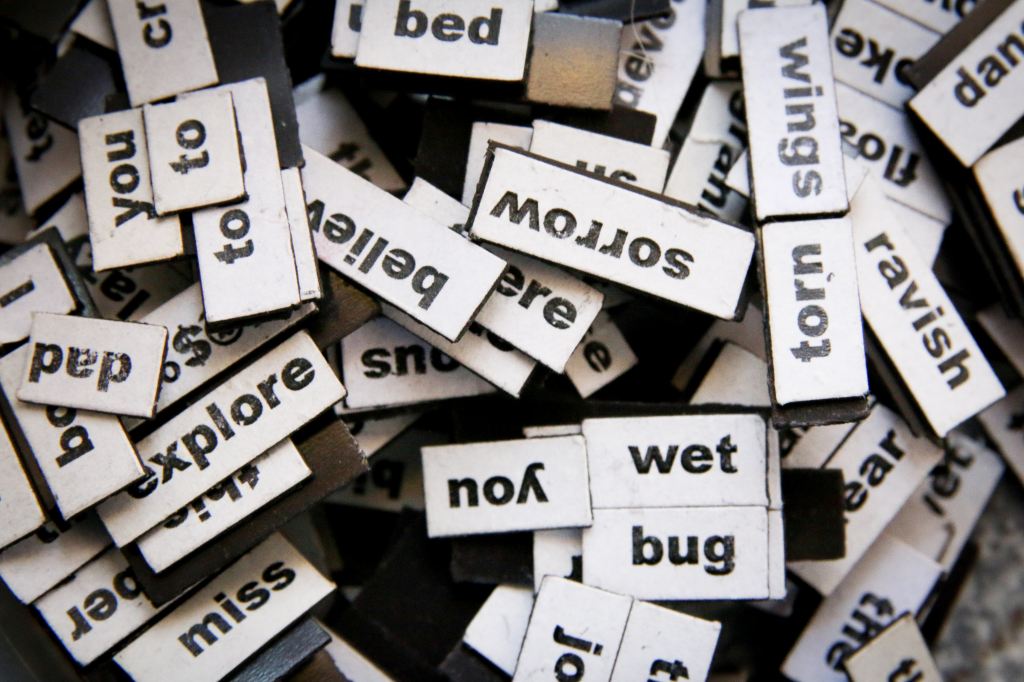
If you’re weirded out by the other two and really want to stick with some form of conventional writing to fill up a blank page, this is the option for you (but do please give the other two a chance!).
What is it? Freewriting is a method of writing or planning where you write without stopping. That’s it. You can start with a single word or idea and just go. If you get stuck, don’t stop; just repeat the previous word until you can go on. The point is to get your thoughts flowing and keep them unfiltered.
This might be the answer for you if you. . .
- Want to keep getting words down
- Need structure when writing and planning
- Find yourself stuck with a particular scene and can’t think it through
- Write quickly and can keep up with your thoughts
How These Methods Work
I’ve used all three of these methods at one point or another when blocked, and they really do work, as odd as they might sound. In fact, they work because they’re a bit odd and break up the normal creative process you’re getting stuck in. Even if you really like one of these methods, I suggest giving all of them a try. The theme for today is trying something new to get yourself out of a block!
Embracing the Senses and Surroundings

Sensory experiences have been proven to stimulate creativity. Now, “sensory experiences” probably isn’t a phrase you hear often, but all it means is things like:
- Exploring a new location
- Spending time perusing an art museum
- Going to a concert
- Taking a walk
- Going to a new restaurant
The point is to engage your senses. These sensory experiences activate different parts of your brain and get creativity flowing. Writing is all about drawing from your experiences (yes, even fiction)—so these activities simply invite you to experience life in new ways!
Don’t be afraid to try something you haven’t done before. If you’ve never been to an orchestra concert, you may be surprised by how impressive it is, even if you’re more of a rock person. And if you’ve never stepped a toe into an art museum, it’s time to check it out. Don’t discount any of the experiences listed above until you actually try them.
The Science Behind the Senses
Okay, I know, it does sound a little silly to say that taking a walk will kick out your writer’s block. But there is real science behind it!
One of my favourite “sciencey” resources (as someone who is not very sciencey) is Psychology Today because they break down the psychology of everyday things for everyday people. And here’s what they have to say on the senses and creativity: “Creativity is a whole-person activity.” Obviously, it mainly involves our brain, but it involves all five senses as well. “You can stimulate creative flow,” the article goes on to say. “Often, when people find themselves stuck, it’s because they’re having trouble accessing their inner muse or creative source. Rather than resist the resistance and struggle with whatever’s in the way, why not skip to a part of your brain that connects to flow?” That is, of course, our senses.
I’d even go so far as to say this is the foolproof method for overcoming writer’s block. Really! Once you immerse yourself in a sensory experience, you forget you’re blocked and your creativity soars. I’ve never known this not to work. You might have to try a couple different experiences and/or exercise a couple of different senses before one clicks, but this will get your brain back into creative mode.
Senses for the Everyday
You don’t need to wait until you get writer’s block to engage with your senses. In fact, tuning into your senses regularly can increase daily creativity and even prevent writer’s block before it starts! Here are some ways you can incorporate these experiences into your regular schedule:
- Look into getting a pass to your local art museum (they’re often not too pricey!) and try to go at least once a month
- Check out the concert schedule for your local orchestra and plan to attend a concert within the next few months
- Do a Google search for free concerts in your area and try to attend one every month or two
- Go on walks often, every day if you can. If your neighbourhood isn’t ideal for a stroll, see if there’s somewhere you can drive to within a few minutes to take your walk
- Explore parks in your area and bring your writing to one of them at least once a week
- Seek out historical landmarks or areas of interest nearby; try to hit one new location every month
- Once a week or once a month (however often your budget allows), try a dish/drink/snack you’ve never had before. It doesn’t have to be a whole meal every time, and it doesn’t have to be from a restaurant. You can try cooking or baking a new recipe!
With any of these experiences, the important thing is to record your experience either in the moment or immediately afterwards. Really pay attention to how your senses are reacting—and try to think beyond the conventional! If you’re on a walk, think of what other senses are activated besides seeing and hearing. Can you taste the air, for example?
Or if you’re trying new food, consider what you’re experiencing beyond taste and smell. What is the texture like? How does the appearance affect your perception of the dish?
Diving into the Unfamiliar
I don’t blame you if you’re not yet convinced by these methods. There’s always some discomfort when trying something new, and incorporating an unfamiliar element into your writing process takes a big mental push. But let me make this clear: you won’t clear up writer’s block by doing the same thing you’ve been doing. Your normal process—even if it’s amazing—got you into writer’s block. Only something new will get you out of it.
So try a new writing method or take a day to activate your senses. Do something you’ve never done before. It’s these things that will spark new inspiration and reignite your creativity!
The Proof in the Pudding
I’ve had my fair share of struggles with writer’s block. I’ve been writing stories since I was five years old, so by the time I was a teenager, I had a process that worked and I didn’t want to deviate. Come 2020, and my life turned upside down along with the rest of the world. I had more time than ever to write, but I had just moved from my own apartment to my dad’s house, I was planning my wedding, and I was still trying to figure out my freelancing business. My creativity started to bury itself under all the strain.
But my dad’s house is in a beautiful neighbourhood that looks as if it was lovingly nestled inside a forest. It’s entirely shaded by massive, closely packed trees. Tons of them! They cut down as few trees as possible when building the neighbourhood. And the houses are not “cookie cutter,” they’re unique. Wanting to explore, I started taking walks every day. I’d wander for hours in the afternoon.
And soon enough, I was writing again. In fact, as I’m going back through my stories from that time to post on Frabjous Day Press, I’m realising that many of them revolve around forests, nature, and the senses. I didn’t understand the correlation between my walks and my burst of creativity until later, but there’s no doubt that the walks were my spark. I experienced nature and explored new places almost every day.
Ever since then, when writer’s block has crept up on me, I’ve delved into different techniques like doodling and mind mapping. I get words on the page, even if they’re not perfect. And then I go to a museum, take a walk, or go to a new coffee shop, and I’m inspired; the words I’m writing start to mean something again.
Try Something New!
Experimentation and new experiences are crucial for overcoming writer’s block. These methods may be a bit unconventional, but I’ve seen them work time and time again—both in my life and others. Whether you adopt a planning method like mind mapping or decide to check out a concert, you might find that more than just beating writer’s block, these activities become things you enjoy! Don’t be afraid to adopt these activities as part of your regular writing process if they work for you.
Above everything else, don’t lose hope. Something will work and you’ll have a breakthrough. Writer’s block is beatable—just keep trying these methods until one clicks.
Are you struggling with writer’s block? Have you in the past? What methods have you used? Let me know in the comments! You never know if your experience will help someone else struggling in a similar way. And if you need more personal help, contact me and let’s talk about next steps!
Happy writing!
—E.J.

If you enjoyed this post, I hope you’ll consider buying one of my books, donating to the blog, reading my stories on Vocal, and/or taking a look at my RedBubble shop so I can continue to produce 100% free content!
Cover photo by Elisa Ventur on Unsplash
Help Me Try Grammarly Premium—So You Don’t Have To! $0/$60
Choose a donation amount
Or enter a custom amount
My goal with this website is to provide free resources and insights to writers who want to create stories that matter. One facet of that is trying out software, resources, and tools to see if they’re worth your time and money. With your help, I’ll try out Grammarly Premium and write up a detailed review of whether or not it’s worth it. Thank you in advance!
Donate The Story Canvas
Pingback: A Post for Every Writing Need! | The Story Canvas